
Updated
Salary Negotiation Email Generator
Whether you're countering a new offer or asking for a raise, get a professional, ready-to-send email built from your numbers and justification. Free, no sign-up.
Dear [Hiring Manager's Name], Thank you again for the offer for the [Job Title] position at [Company Name] — I'm genuinely excited about the opportunity and the team. Before I confirm, I'd like to discuss the base salary. Based on my research into comparable roles in this market, I was hoping we could find a number closer to [target amount], versus the current offer of [current offer]. I'm confident I can deliver strong value in this role, and I want to make sure we start on terms that reflect that. I'm flexible on how we get there — whether that's base salary, a signing bonus, or an accelerated review — and happy to discuss over a call if that's easier. Thank you for considering this, and I look forward to hearing your thoughts. Best regards, [Your Name]
Everything runs in your browser — nothing you type is uploaded or stored.
4 Rules for Negotiating by Email
Always negotiate in writing first
An email lets you make your case clearly and gives the other side time to consider it without the pressure of an on-the-spot phone answer. Save the call for after you've sent this.
Anchor to a number, not a feeling
"I was hoping for more" is easy to dismiss. "Based on market data for this role, I was hoping for $X" gives the recipient something concrete to respond to.
Never negotiate without a real justification
Market research, a competing offer, or added scope since your last review are legitimate anchors. "I just want more" rarely moves a number on its own.
Stay collaborative, not adversarial
The strongest negotiation emails read as problem-solving together, not as a demand. "I'm flexible on how we get there" keeps the conversation open.
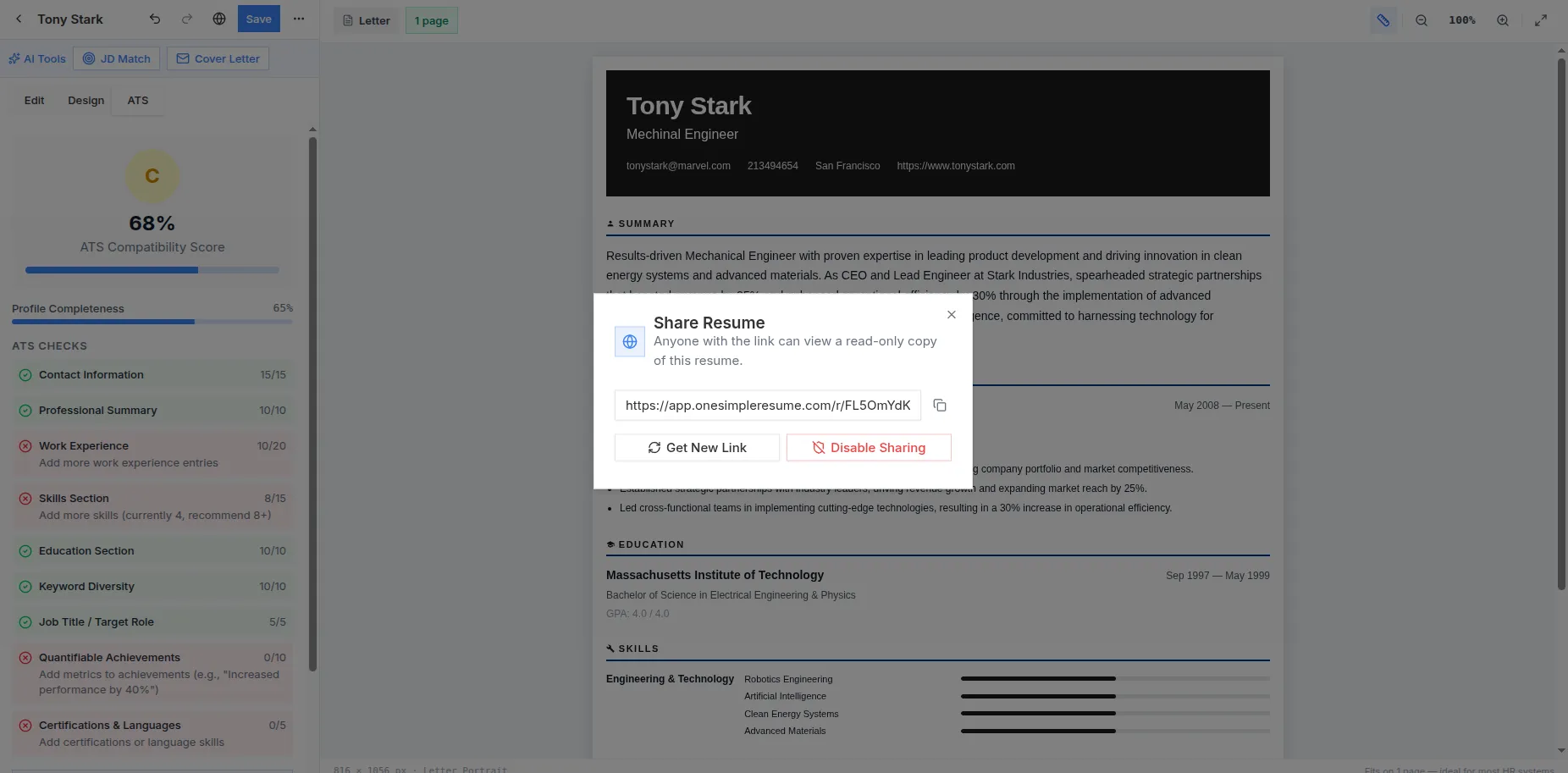
Real screenshot from the live app — sign in free and build yours
Salary Negotiation FAQ
Is it OK to negotiate a job offer over email?
Yes — email is a common and often preferred first step because it lets both sides consider the request without the pressure of an immediate verbal response. Many negotiations move to a call afterward, but starting in writing is standard practice.
How much should I ask for when negotiating a raise?
There's no universal number — it depends on your market, role, and how long since your last adjustment. Anchor your ask to real justification (market data, added scope, a competing offer) rather than an arbitrary percentage.
What if the company says no to my counter-offer?
Ask what it would take to get there in the future, or whether non-salary levers (signing bonus, extra PTO, accelerated review timeline) are on the table. A respectful counter rarely damages the relationship even when the answer is no.
Should I mention a competing offer if I have one?
Yes, if it's genuine — a real competing offer is one of the strongest, most concrete justifications you can cite. Never reference one you don't actually have; it's easily disproven and damages trust if discovered.
Know Your Number First
Compare offers or convert hourly to annual before you negotiate — then build a resume that supports the number you're asking for.