
Job Offer Comparison Calculator
Compare two offers side by side across base salary, bonus, equity, PTO, and benefits — and see total first-year and ongoing annual compensation for each. Free, private, no sign-up.
Offer A
Offer B
Equity is estimated as an annualized value — for startup equity with a 4-year vest, divide your estimated exit value by 4. PTO value is calculated as (base ÷ 2,080) × 8 hours × PTO days. These are gross estimates; they do not account for taxes, cost of living differences between locations, or the risk profile of equity.
What Goes Into Total Compensation
The most stable, guaranteed part of compensation — and the number most other benefits (bonus %, PTO value) are calculated from.
One-time cash, often used to offset unvested equity you are leaving behind at your current employer. Check if it has a clawback if you leave early.
Usually a percentage of base tied to company or individual performance — ask how often it has actually paid out at target in recent years.
Real value depends heavily on company stage and risk: public company RSUs are close to cash; early-stage startup options carry real uncertainty. Discount speculative equity accordingly.
More PTO has real dollar value — this calculator converts days into an hourly-rate equivalent so you can compare it directly against salary.
Health insurance premiums, 401(k) match, and other perks vary enormously between employers and are easy to underweight in a fast decision.
How to Compare Two Job Offers
Verbal numbers shift. Ask for the full written package: base, bonus target and historical payout, equity grant with vesting schedule, PTO policy, and the benefits summary.
Annualize the bonus (base × target %), spread the equity over its vesting period, price PTO at your daily rate, and put a dollar value on benefits. This calculator does the arithmetic for you.
Signing bonuses inflate year one. Compare year-two numbers separately — that's the compensation you'll actually live on after the one-time cash is gone.
A $120k offer in Austin can beat a $140k offer in San Francisco after housing and state income tax. Adjust with a cost-of-living index if the offers are in different metros.
Growth trajectory, manager quality, learning, stability, commute, and flexibility don't fit in a spreadsheet but often matter more over five years than a 5% pay gap.
Ready to counter one of the offers? Draft it with the salary negotiation email generator.
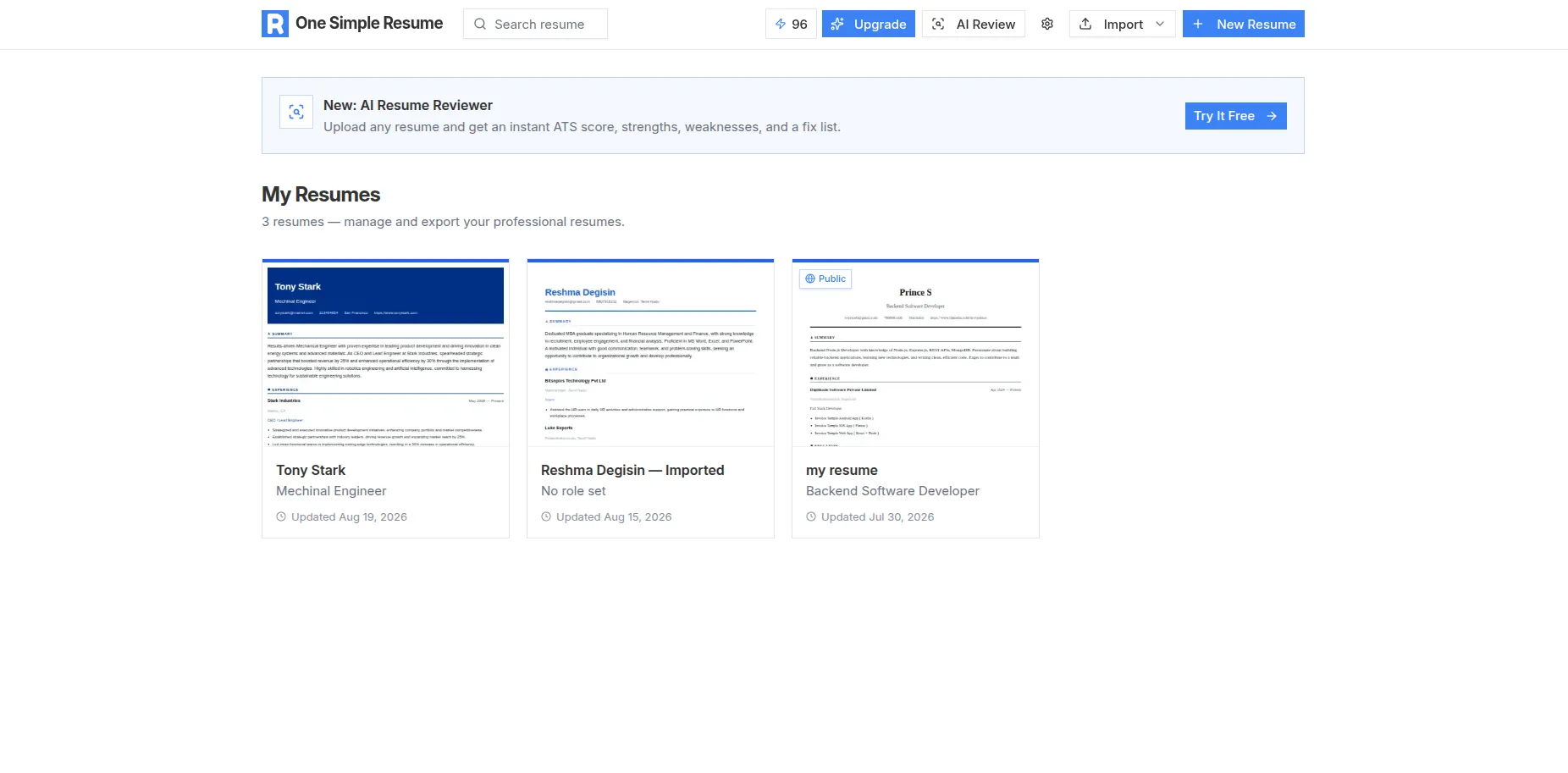
Real screenshot from the live app — sign in free and build yours
Offer Comparison FAQ
How do I calculate total compensation?
Add base salary, annualized bonus (base × bonus %), the annual value of your equity grant, an estimated dollar value for benefits, and the dollar value of your PTO days. This calculator does that math automatically so you can compare two offers on equal footing.
How should I value startup equity?
Conservatively. Divide your best estimate of exit value by the vesting period (commonly 4 years) to get an annualized figure, and consider discounting it further for risk — most startups do not have a large exit. Public company RSUs can be valued much closer to cash since they are liquid.
Should I factor in cost of living?
Yes, especially when comparing offers across cities. This calculator focuses on total compensation; adjust the comparison further using a cost-of-living index if the roles are in different metro areas.
What benefits value should I use?
A reasonable default is $8,000–$15,000/year for a typical US benefits package (health insurance, 401(k) match, etc.), but ask HR for specifics — employer health insurance contributions alone often exceed $6,000/year.
Negotiating? Start With a Strong Resume
Leverage in a negotiation starts with proven impact. Build a resume that makes your case clearly — free, 17 templates, no account needed.