
Hourly to Salary Calculator
Convert an hourly wage into an annual salary — or a salary back into an hourly rate — with daily, weekly, biweekly, and monthly breakdowns. Adjust hours and weeks to match your real schedule.
Tip: use 50 weeks per year to account for 2 weeks of unpaid time off, or 52 if you have paid vacation.
These are gross (pre-tax) figures. Actual take-home pay depends on federal and state taxes, benefits deductions, and retirement contributions — typically 20–30% lower.
Common Hourly to Annual Conversions
Based on a standard full-time schedule: 40 hours per week, 52 weeks per year (2,080 hours).
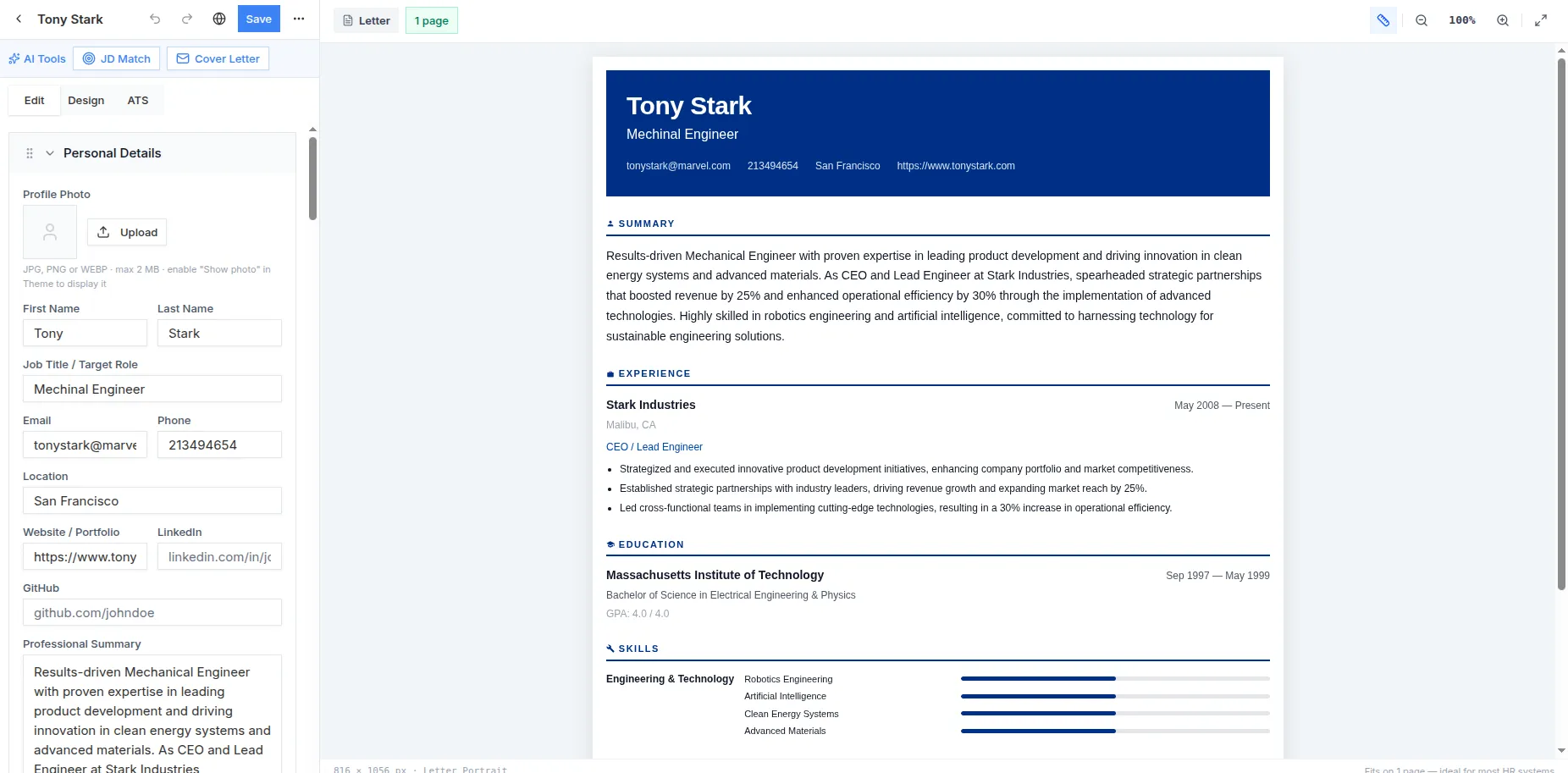
Real screenshot from the live app — sign in free and build yours
Salary Conversion FAQ
How do I convert an hourly wage to an annual salary?
Multiply your hourly rate by hours worked per week, then by weeks worked per year. The standard shortcut assumes 40 hours and 52 weeks: hourly rate × 2,080. So $25/hour × 2,080 = $52,000 per year before taxes.
How do I convert a salary to an hourly rate?
Divide the annual salary by 2,080 (40 hours × 52 weeks). A $60,000 salary works out to about $28.85 per hour. If you routinely work more than 40 hours unpaid, your true hourly rate is lower — worth calculating before comparing offers.
Is this before or after taxes?
All figures are gross (pre-tax). Take-home pay is typically 20–30% lower after federal and state income tax, Social Security, Medicare, and benefit deductions — the exact amount depends on your state and filing status.
Salaried vs hourly — which is better?
Neither universally. Hourly roles pay overtime (usually 1.5× past 40 hours/week); salaried roles offer predictable pay and often better benefits, but extra hours are unpaid. When comparing a salaried offer against hourly work, estimate your realistic weekly hours and compare true hourly rates.
Negotiating a Better Number Starts With the Resume
A resume that proves measurable impact is the strongest salary-negotiation tool there is. Build one free with 17 ATS-friendly templates — no account needed.